Asphalt Roof Repair Services
Durable, Reliable, Long-Lasting
Free Estimate – Get Started Today
Fill out the form below to request your free asphalt roof repair estimate. Provide details about the issues you’ve noticed — such as leaks, missing shingles, or storm damage — and we’ll follow up promptly to schedule your inspection.
The sooner you reach out, the sooner we can prevent small problems from becoming costly damage.
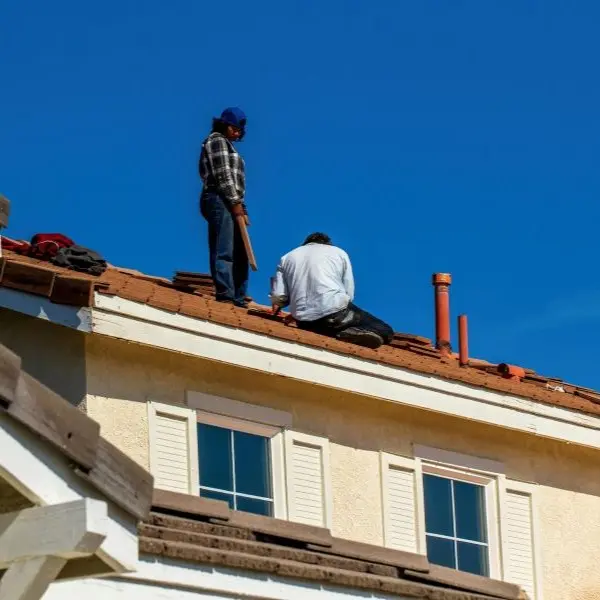
About Our Asphalt Roof Repair Service
Asphalt shingle roofs remain one of the most common roofing systems in Kansas City due to their affordability, versatility, and durability. However, exposure to Midwest weather — from summer heat to winter snow and ice — inevitably takes its toll. Over time, shingles can crack, curl, loosen, or disappear entirely, exposing your roof to water infiltration.
Our asphalt roof repair service is built to address these issues quickly and effectively. We approach every project with the goal of restoring your roof’s protective function, improving its appearance, and extending its useful life. Whether your home has suffered recent storm damage or you’ve noticed gradual deterioration, our team has the expertise to handle repairs of all sizes.
Common Asphalt Roof Problems We Address
Our Asphalt Roof Repair Process
A high-quality repair begins with accurate diagnosis and careful workmanship. Here’s how we handle each asphalt roof repair project:
1. Initial Consultation
Every project begins with a detailed conversation to fully understand the issues you’ve been experiencing. You might have noticed leaks after a heavy rain, missing shingles after a storm, or discoloration that suggests water damage. We’ll ask about when you first observed the problem, how it has progressed over time, and whether any temporary fixes or prior repairs have been made. Learning the age of your roof is also important, as it can help us anticipate common wear-related issues that often occur at certain stages of a roof’s lifespan. This step ensures we start the inspection with a clear picture of the problem from your perspective.
2. Comprehensive Roof Inspection
Our inspection is not limited to the visibly damaged area — we evaluate the entire roof system to uncover all underlying issues. This includes:
- Shingles – Checking for cracks, curling, granule loss, or loose tabs.
- Underlayment – Looking for moisture infiltration or deterioration beneath the shingles.
- Flashing – Examining areas around chimneys, skylights, vents, and valleys where water protection is most critical.
- Roof Vents – Ensuring vents are secure, functional, and free from cracks or obstructions.
- Ridge Caps – Inspecting the topmost shingles where wind damage often occurs.
- Gutter Connections – Making sure water can flow off the roof without pooling or backing up.
We also look for subtle warning signs such as lifted edges, uneven shingle lines, and discoloration that could indicate deeper problems.
3. Detailed Damage Documentation
All findings are carefully recorded in writing and through high-quality photographs. This documentation serves two purposes: it gives us a precise roadmap for the repair work and provides you with a visual record of the roof’s condition before we begin. By keeping this record, you can see exactly what was repaired and refer back to it if any future maintenance is needed.
4. Surface Preparation
Before any repair material is applied, we prepare the area to ensure maximum adhesion and durability. This includes removing loose debris such as leaves, twigs, and old roofing material fragments. We also clean the surrounding shingles to remove dirt and dust, which could interfere with the seal between new and existing materials. Proper preparation is a key factor in ensuring repairs last as long as possible.
5. Targeted Shingle Repairs
Damaged shingles are removed with care to avoid disturbing the surrounding materials. Once the damaged shingles are lifted, we inspect the roof decking beneath to check for moisture damage or rot. Replacement shingles are chosen to match the existing roof as closely as possible in both color and texture, maintaining a consistent appearance. Each new shingle is secured and sealed in place to restore the roof’s protective layer.
6. Underlayment & Decking Repairs
When damage has extended beyond the shingles, we repair or replace the underlying layers. If the underlayment has been compromised by water, it’s replaced with fresh, durable material to create a reliable moisture barrier. Should we find damage to the decking — such as rot or structural weakening — we reinforce or replace those sections before moving forward. Skipping this step could lead to hidden problems that resurface later, so we make sure the foundation of the repair is solid.
7. Flashing Replacement or Re-securing
Flashing plays a vital role in preventing water infiltration at joints and edges. Over time, it can loosen, rust, or develop gaps that let moisture in. We inspect all flashing around chimneys, skylights, dormers, and valleys. Depending on the condition, we either re-secure it with proper fasteners and sealant or replace it entirely with new material for maximum protection.
8. Ventilation & Drainage Adjustments
Asphalt shingles last longer when the roof system has proper ventilation and drainage. Poor ventilation can trap heat and moisture, accelerating deterioration. If needed, we recommend ventilation improvements, such as adding or adjusting vents to improve airflow. We also ensure drainage is unobstructed so water can flow freely into the gutters instead of pooling on the roof.
9. Leak Testing
Once repairs are complete, we test the roof’s watertightness using a controlled water application. This process helps confirm that the repaired sections are sealed properly and that no water can enter at vulnerable points. Leak testing ensures you have confidence in the effectiveness of the repair.
10. Final Inspection
The last step is a complete review of all repaired areas. We verify that each shingle is secure, flashing is properly sealed, and all work meets our high standards for quality. This is also when we review the repairs with you, explain what was done, and answer any questions you might have about maintenance or potential next steps.
Areas We Serve in the Kansas City Region
We proudly provide asphalt roof repair services in:
- Kansas City, MO
- Kansas City, KS
- Overland Park
- Olathe
- Lee’s Summit
- Independence
- Shawnee
- Lenexa
- Blue Springs
- Raytown
- Liberty
- Gladstone
- Prairie Village
- Leawood
- Belton
- Grandview
Frequently Asked Questions
How do I know if my asphalt roof needs repairs?
Signs that your asphalt roof may need attention include visible damage such as missing or cracked shingles, granules collecting in your gutters, water stains on ceilings or walls, and moss or algae growth on the roof surface. Less obvious signs include curled shingle edges, sagging roof sections, or damp spots in the attic after rain. Even if there’s no active leak, small problems can quickly escalate. Regular inspections help catch these issues before they require more extensive (and costly) work.
Can individual shingles be replaced, or does the whole roof need to be redone?
In many cases, individual damaged shingles can be replaced without redoing the entire roof. Asphalt shingle roofs are designed so that small sections can be repaired independently, as long as the surrounding materials are in good condition. However, if damage is widespread, the shingles are extremely aged, or the underlayment is compromised in multiple areas, more extensive work may be necessary. We always recommend a full inspection to determine whether a targeted repair or a larger restoration is the better choice for your roof’s condition.
What causes asphalt shingles to deteriorate?
Several factors contribute to asphalt shingle wear:
- Weather exposure – UV rays, heavy rain, hail, snow, and strong winds can all cause gradual breakdown.
- Poor ventilation – Trapped heat and moisture in the attic can cause shingles to warp or crack prematurely.
- Improper installation – Incorrect fastening or alignment can shorten a roof’s lifespan.
- Age – Over time, the asphalt in shingles naturally loses flexibility and protective granules.
- Debris and standing water – Leaves, branches, and clogged gutters can trap moisture and speed up deterioration.
How long does an asphalt roof repair take?
The timeline depends on the size and complexity of the repair. Minor repairs, such as replacing a few shingles or resecuring flashing, may take just a few hours. More involved projects that require underlayment replacement, decking repairs, or extensive leak tracing could take a full day or more. Weather conditions also play a role, since repairs need to be completed in dry conditions to ensure materials adhere properly and seal effectively.
Will repaired shingles match the rest of my roof?
We make every effort to source shingles that closely match your existing roof in both color and texture. Over time, shingles naturally fade due to sun exposure, so an exact match may not always be possible. Still, we aim for the closest visual match available, and most customers find that repairs blend well from ground level. The alternative to mismatched shingles — leaving damage unrepaired — often poses a greater risk to the home.
Can asphalt roof leaks always be fixed without replacing the roof?
In many cases, yes. A properly executed repair can stop a leak and restore the roof’s function, especially if the damage is localized. Common causes of leaks — such as damaged flashing, missing shingles, or compromised sealant — can often be addressed without replacing the entire roof. However, if the leak is caused by widespread shingle failure, multiple compromised areas, or advanced roof aging, a repair may only be a temporary solution, and replacement could be the more cost-effective long-term option.
How do you find the exact source of a roof leak?
Leak detection involves both visual inspection and investigative techniques. We start by examining the most common leak points, such as valleys, flashing, roof penetrations, and the ridge line. We also look for indirect signs of water travel — moisture can enter in one spot and run along decking or rafters before becoming visible inside. In some cases, we simulate rainfall using a controlled water application to trace the leak’s origin. The goal is to identify the source precisely so the repair addresses the true problem, not just the visible symptoms.
What is the best time of year for asphalt roof repairs?
Repairs can be completed any time of year, but moderate weather conditions (spring and fall) are often ideal. Asphalt shingles need to be pliable for proper sealing, which is easier in mild temperatures. Winter repairs are possible, but very cold conditions can make shingles brittle, and adhesives may take longer to set. Summer repairs can be done as well, though extreme heat may require careful handling to avoid scuffing softened shingles.
Will fixing one area of my asphalt roof prevent future problems?
A targeted repair addresses the current issue, but it doesn’t make the rest of the roof immune to wear and tear. The repaired area should perform well if done correctly, but other sections of the roof will continue to age. That’s why we often recommend a full roof inspection along with any repair; it helps identify other developing issues before they cause problems. Preventive maintenance is key to getting the most life out of your asphalt roof.
How can I maintain my asphalt roof after repairs?
To extend the life of your repaired asphalt roof:
- Keep gutters clean to prevent water backup.
- Trim overhanging branches to reduce debris buildup.
- Schedule periodic roof inspections, especially after severe weather.
- Address small issues quickly before they expand.
- Ensure attic ventilation is adequate to prevent heat and moisture buildup.
By following these steps, you’ll help preserve both the repaired areas and the roof as a whole.
Protect Your Roof Today
If you’ve noticed signs of asphalt roof damage — whether from recent storms or gradual wear — don’t wait until leaks spread or structural issues develop. Our asphalt roof repair service is designed to quickly restore protection and prevent further deterioration.
Fill out the form today to request your free estimate. The sooner we can inspect your roof, the sooner we can help you protect your home and avoid unnecessary repair costs down the road.